
My First Singles Tennis Match: What I Learned About Strategy, Mindset and Competition
What is it like playing your very first singles tennis match? From pre-match nerves to learning tennis strategy, mental toughness, and adaptability, my first tournament taught me lessons I couldn’t have learned from practice alone.
The first time you experience something is always memorable. Your first love, your first kiss, maybe your first boyfriend or girlfriend. These first experiences always hold a special place in your heart.
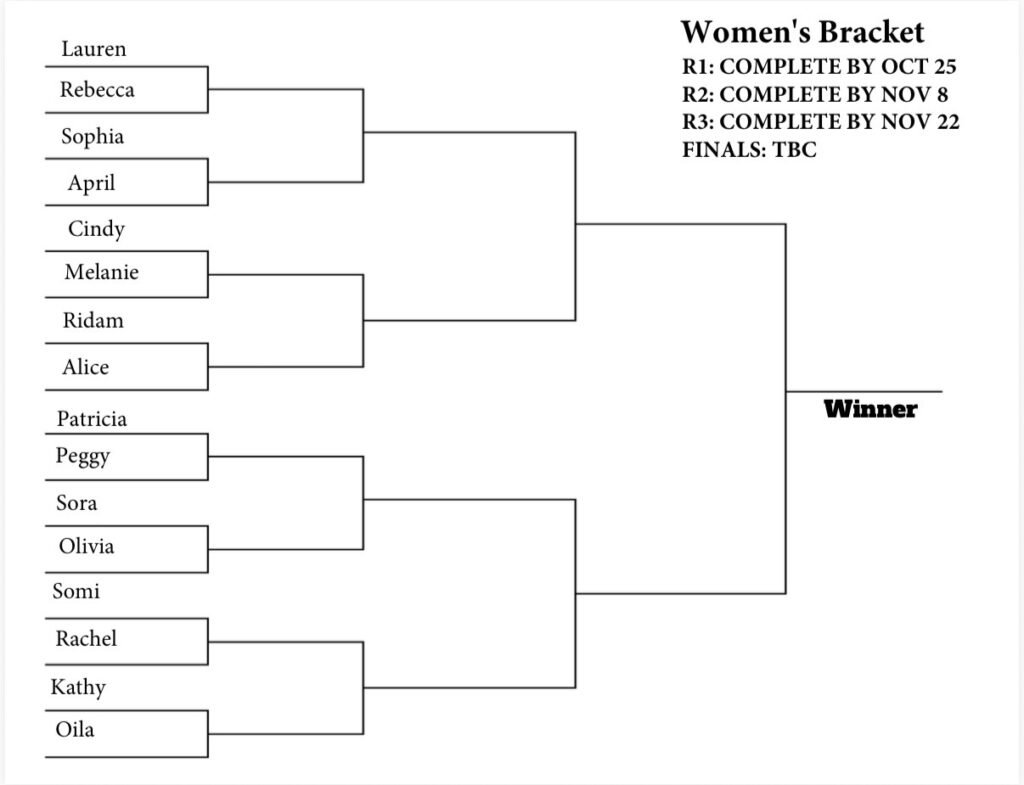
For me, my very first singles tennis match is something I remember vividly, even though I didn’t do particularly well! To be honest, I was a little nervous when I signed up for a mini tournament organized by a group of friends I regularly play tennis with. I was curious about how I stacked up against the others, so I decided to give it a shot. I mean, it’s natural to wonder: Am I actually any good at this, or am I just average? Or, you know, am I really bad?  I didn’t think I’d get very far, but I wanted to experience what it was like to participate in a real tournament and get a taste of playing singles competitively.
Going Into My First Singles Tennis Match
I was up against a tough competitor, someone I had played against in doubles the previous year but hadn’t seen since. I was sure she had improved quite a bit since then. To make things more challenging, she was left-handed, which added another layer of difficulty. I knew I would need to stay on my toes and adapt to her style of play.
I was feeling slightly nervous going into the match, but looking back, I made one major mistake: I didn’t have a game plan! I thought I could just wing it and figure things out as the match progressed. In hindsight, that probably wasn’t the best approach. Having a strategy before stepping onto the court would have made a big difference.
And then came the first set. I got beaten pretty badly, losing 0–6.
One thing I’m proud of, though, is that I didn’t give up when things got tough. I kept reminding myself to stay positive and keep fighting. I remember my opponent being very aggressive. She liked to come up to the net and put pressure on me. I prefer to be at the baseline and hit groundstrokes. Our playing styles were very different. She would rush to the net and take control of the point, while I would stay back and try to keep the ball in play with my groundstrokes. It was an interesting match, to say the least!
A Small Goal Can Make a Big Difference
After that first set, I was struggling. Losing 0–6 was a real blow, so I decided to set a small goal for myself. I told myself, “Okay, I just want to win ONE game. That’s all. Just one!”
I knew my serve was one of my weaknesses, and my opponent definitely took advantage of that. Still, I was determined to win at least one game, even when she was serving. Something interesting happened during the second set. My mindset started to change. In the first set, I was simply happy to be out there playing. I wasn’t really thinking about winning. But as the second set got underway, something clicked. I became more focused and determined. I really wanted to win that one game. And that determination made a difference.
I didn’t suddenly become a much better tennis player between the first and second sets. But having a small goal gave me something to focus on. I started putting more effort into every point and fighting harder to stay in the game. I even managed to get to deuce a couple of times, and I have to say, I was pretty proud of myself!
Of course, nobody likes losing. We all go into a match hoping to win. But although I lost the second set 1–6, I achieved my little goal. And that was a small victory for me.
Singles vs. Doubles: A Completely Different Game
One thing I learned from this experience is just how different singles is from doubles.
I mostly play doubles, and let me tell you, having a good partner can make a huge difference. When you have someone who’s skilled, covers the court well, and understands the game, you can complement each other’s strengths. It’s all about working together and making the most of what each person brings to the court.
But in singles, you’re on your own.
You need to study your opponent, identify their weaknesses, and develop a strategy to win points. It’s not just about hitting the ball back and forth. You need to read your opponent’s movements, anticipate their next shot, and make quick decisions. There’s no teammate to rely on, so you have to figure things out yourself. That’s both the challenge and the beauty of singles tennis.
One important skill in tennis is learning how to observe your opponent and identify their weaknesses as early as possible. This is something I still struggle with.
I’m working on becoming more adaptable on the court. Often, I find myself stuck in a rut, repeatedly hitting the same type of shot, usually groundstrokes, when what I really need to do is mix things up. Maybe I need to move forward and volley, or simply tap the ball into an open space. It’s not always easy to adjust my strategy in the heat of the moment, but I’m trying to get better at reading the game and responding accordingly.
It’s not just about hitting the ball; it’s about knowing when to attack and when to hold back. Sometimes you need to be aggressive, while other times you need to play defensively. Learning to recognize the right moment and make better decisions is something that takes time and experience.
The Real Learning Begins After the Match
For me, losing a match is where the homework and learning really begin.
My brother, who often acts as my “unofficial” coach, likes to ask me questions after a match. How did I feel about the game? Did I think I could have played better? How did I lose my games? Did I win games through my own serve or my opponent’s serve? When I lost those games, were they close? Did I manage to get to deuce, or did my opponent win those games quite easily?
These questions make me think more carefully about what actually happened during the match. It’s not enough to simply say, “I lost.” I need to understand why I lost and what I could have done differently.
This brings me to another thing I want to start doing: recording my matches.
I’m beginning to realize how valuable it can be to watch myself play. When you’re in the middle of a match, it’s easy to overlook your own mistakes. But when you watch the footage afterwards, you might suddenly realize, “Oh, I had no idea I was doing that!”
Maybe I’m standing too far behind the baseline, not moving forward when I should, or repeatedly making the same shot when a different shot would have worked better. These are things I might not notice while playing, but watching myself afterwards can help me identify areas for improvement.
Sometimes, simply becoming aware of your mistakes is the first step towards correcting them.
The Mental Game: Nervousness and Focus
I was quite nervous during the match, and it definitely showed in my game. I double-faulted way too many times. It felt like my nerves were getting the better of me.
I think this was partly because I hadn’t played many competitive matches. There’s a huge difference between practicing your serve during a lesson and serving in an actual tournament. When you’re just practicing, there’s less pressure. But when you’re playing a competitive match, every serve feels much more important, and that can be difficult to handle.
Another thing I need to work on is my ability to stay focused. I noticed that I struggled to maintain my concentration throughout both sets. My mind would wander, and I would lose my intensity. I need to learn how to stay mentally engaged, even when things aren’t going my way.
And that’s where the mental game comes in.
Tennis is more than just a physical sport. It’s also a mental sport. You need patience, discipline, and the ability to concentrate even when things don’t go as planned. When you lose a point, you have to learn how to bounce back, put the mistake behind you, and prepare for the next one.
It’s about taking things one point at a time and not allowing your mistakes to affect the rest of your game.
Practice vs. Playing an Actual Match
I also think one of the biggest reasons for joining tournaments is to test the skills you’ve learned during tennis lessons.
Imagine you’re at a practice session and you hit a beautiful cross-court forehand. It feels great! Everything comes together, and you can repeat the shot several times. You start feeling pretty good about your progress. But can you actually execute that shot during a match? Can you recognize the right moment to use it? Can you still do it when you’re tired, nervous, or under pressure?
That’s a completely different story!
I often find myself wondering what the best shot is in a given situation. Should I take a chance and move forward to attack, or should I stay back and play defensively? Should I stick with my groundstrokes, approach the net, or try a volley?
Playing a match is almost like taking a test. It’s a test of everything you’ve learned in class, but more importantly, it’s about integrating those skills and figuring out how to apply them in real situations.
This is especially challenging for someone like me who doesn’t have much of a sports background. But I suppose that’s part of the journey.
My Biggest Takeaways from My First Tennis Match
Looking back at my very first singles tennis match, I realized there are quite a few things I need to work on:
1. Have a game plan.
Don’t just go into a match hoping to figure everything out along the way. Think about your opponent’s strengths, weaknesses, and playing style.
2. Learn to adapt.
Don’t keep hitting the same shots. Observe your opponent and learn when to attack, defend, volley, or change your strategy.
3. Work on your mental game.
Nervousness, frustration, and losing focus can affect your performance. Learn to reset and concentrate on the next point.
4. Record and review your matches.
Watching yourself play can help you identify mistakes and areas that need improvement.
5. Build your match experience.
Practising during lessons is important, but playing actual matches teaches you how to apply those skills under pressure.
6. Improve your fitness and explosiveness.
Singles requires you to cover the entire court on your own. Footwork, speed, endurance, and explosive movements all play an important role. And perhaps the biggest lesson of all: It takes practice, patience, and quite a few losses before you start winning.
I may have lost my very first singles match 0–6, 1–6, but I don’t consider it a wasted experience. I learned something about my game, my mindset, and the areas I need to work on. And honestly, I think that’s what makes playing tennis so fun. There’s always something new to learn, something to improve, and another challenge waiting for you. So here’s to more matches, more lessons, and hopefully, more wins!
Because this is only the beginning of my tennis journey.
You don’t just learn tennis by winning matches. Sometimes, you learn the most from the matches you lose.