
How to Get Better at Tennis as an Adult: 7 Tips for Recreational Players
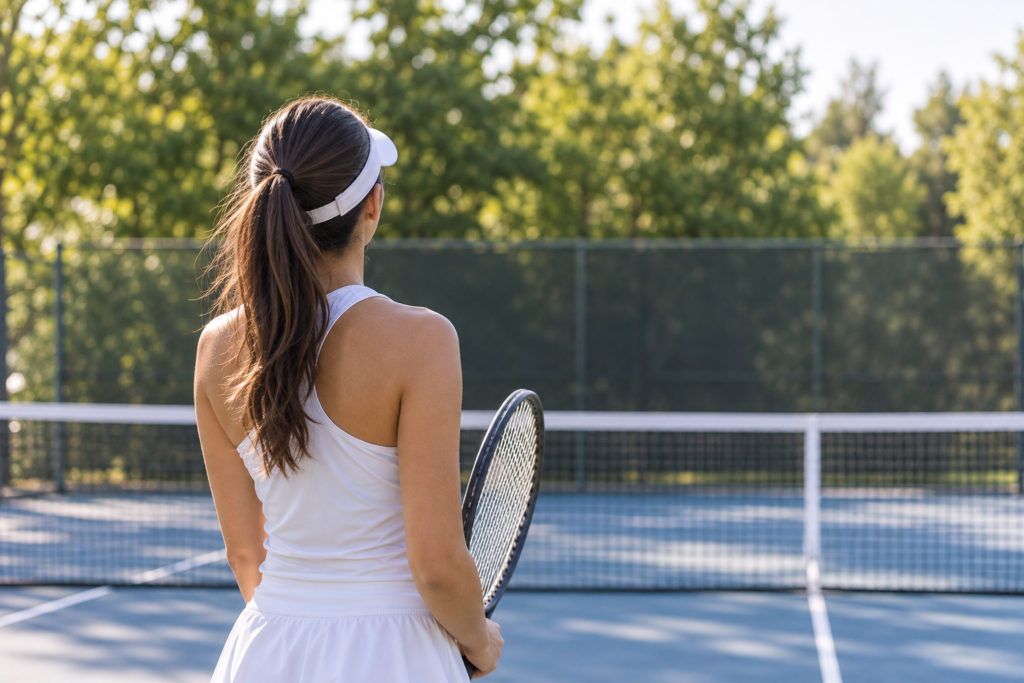
Improving your tennis as an adult takes time, patience and, most importantly, consistency. Whether you’re new to tennis or have been playing recreationally for a few years, practice is essential if you want to improve your game.
Many of us didn’t grow up playing tennis or competitive sports. We might not have the same coordination, footwork or athletic background as someone who has been playing sports since childhood. And that’s totally fine.
As a recreational tennis player, I definitely didn’t play many sports growing up. Sometimes I feel like I’m a little slower to learn than other players. There are days when I feel like I just can’t get certain techniques right, no matter how hard I try.
However, I’ve learnt that improving your tennis is really about how much time and effort you’re willing to put in.
If you’re also new to tennis or thinking about picking it up as an adult, you might enjoy my guide on how to start playing tennis as an adult.
Here are 7 things that have helped me improve my tennis as an adult.
1. Practice, Practice, Practice
This might sound obvious, but practicing regularly is one of the best ways to improve your tennis.
Tennis is a skill-based sport, so the more you practice, the more comfortable you’ll become. Improving your groundstrokes, footwork and knowing where to position yourself on the court all take time and repetition.
Depending on your background, if you’ve played other sports growing up, you may find it easier to pick up certain techniques, coordination and movements.
As someone who didn’t play many sports growing up, I’ve found this can be a bit of a challenge. Certain movements that come naturally to other players don’t necessarily come naturally to me. I often have to spend more time practicing these techniques before I get them right.
But that’s all part of the process.
Don’t get disheartened if you feel like you’re taking longer to improve. Try to focus on your own game rather than comparing yourself to others. Every hour you spend on the court is another opportunity to learn something new.
2. Take Tennis Lessons
We live in an age where we can learn pretty much anything online. Cooking, baking and learning new languages are all easily accessible through YouTube videos and online tutorials.
Tennis is no different! There are plenty of videos to help you with everything from forehands and serves to improving your footwork.
However, I personally think taking lessons with a tennis coach can make a huge difference.
Sometimes, you don’t even realise you’re doing something wrong.
You might think you’re holding your racket correctly or using the right technique, but there could be small adjustments that would help improve your game.
Having a coach watch you play means they can spot areas that need improvement and give you immediate feedback. Sometimes, even a small adjustment to your body positioning or the way you move your arm when practising your serve can make a difference.
There are also coaches who offer online lessons. You can film yourself playing or practising and send the videos to them for feedback. This can be a great option if you can’t find a coach locally.
Personally, I prefer having a coach physically there with me. I find it much easier to understand and correct my mistakes when someone can demonstrate the movement and show me what I need to change.
Having a coach can help you develop good habits and make sure you’re not developing wrong techniques.
3. Private or Group Lessons?
Once you’ve decided to take tennis lessons, you’ll need to decide whether you want private or group lessons. Both options have their advantages, and it really depends on your budget, learning style and personal goals.
Private tennis lessons
Private lessons are great because you get one-on-one attention. The coach can focus entirely on your technique, identify your weaknesses and tailor the lessons to your needs.
You’ll also get more opportunities to hit the ball and receive feedback, which can help you improve faster.
The downside is that private lessons are generally more expensive.
Group tennis lessons
Group lessons are usually more affordable and a great way to meet other beginners and recreational players.
I personally enjoy group lessons because I get to play with different people. Everyone has slightly different playing styles, strengths and weaknesses, which gives you the opportunity to adapt your game.
It’s also a great way to meet other tennis players. You might even find a few people to practice or play matches with outside of your lessons.
After all, tennis is a sport where you’ll need at least one other person to play a match with. Having a group of tennis friends makes it much easier to get on the court regularly.
You don’t necessarily have to choose between the two. You can always combine a few private lessons with group sessions, depending on your budget.
4. Find People to Practice and Play With
Taking lessons is important, but you’ll also want to play outside of your coaching sessions.
While you’ll learn techniques during your lessons, you won’t necessarily know how to apply them until you start playing with other people.
Try to find someone who is around your level or slightly better. Playing with someone who can challenge you will help you get used to hitting different shots and adapting to different playing styles.
You can also join local tennis groups, recreational leagues or social tennis sessions. These are great ways to meet other adult players and find regular hitting partners.
Don’t worry too much about finding someone at exactly the same level as you. As long as they’re happy to practice, learn and have fun, you’re good to go!
If you can’t find anyone to practice with, don’t worry. There are still ways to work on your game on your own.
I’ve written a separate article on how to practice tennis alone, with seven tips for adult recreational players. It’s a useful guide if you want to get some extra practice in without relying on a hitting partner.
5. Work on Your Weaknesses
It’s natural to spend more time practicing the shots you enjoy or the ones you’re already good at.
Maybe you have a strong forehand but struggle with your backhand. Or perhaps your groundstrokes are improving, but your serve still needs work.
Once you identify your weaknesses, you can start working on them.
Try to set aside some time during your practice sessions to focus on the areas you need to improve.
For example, if you’re struggling with your serve, spend some time working on your ball toss, racket preparation and contact point. If your footwork needs work, try incorporating some movement drills into your practice.
Having a coach can also help you identify technical issues that you might not notice yourself.
You don’t have to work on everything at once. Try focusing on one or two areas at a time and give yourself enough time to practice and see some improvements.
You might not notice immediate changes, but sometimes those small adjustments can make a big difference when you’re playing matches.
6. Be Consistent
Improving your tennis is a little like going to the gym.
You wouldn’t expect to see significant improvements after going just once or twice. It takes time, practice and dedication.
The same goes for tennis.
If you only play once every few weeks, it can be difficult to build muscle memory and maintain the skills you’ve learnt. You might also find yourself spending the first part of every session just getting back into the rhythm of hitting the ball.
Try to create a realistic tennis routine that works for you.
You don’t need to play every day. Even two or three sessions a week can help you improve, as long as you’re consistent.
Perhaps one session could be with a coach, another with a hitting partner and another focused on practicing specific techniques.
The important thing is to make tennis a regular part of your routine rather than something you only do when you have spare time.
Over time, you’ll start to notice improvements in your movement, timing and confidence on the court.
7. Be Patient
This is probably the most important thing I’ve learnt as an adult recreational tennis player.
When you’re learning something new as an adult, it’s easy to get frustrated with yourself. You might compare your progress to someone who has been playing tennis for years or feel disheartened when you keep making the same mistakes.
I can definitely relate to this.
Some days I feel like I’m improving, and other days I feel like I’ve gone backwards. Sometimes I’ll spend weeks practicing a particular shot, only for it to stop working when I’m playing a match.
But that’s tennis!
You’ll have good days and bad days. You’ll hit some amazing shots and make some frustrating mistakes. Some matches will go really well, while others might not go the way you hoped.
Try to focus on the smaller improvements instead.
Maybe your serve is becoming more consistent. Perhaps you’re getting more confident moving towards the ball or starting to understand where to position yourself during rallies.
These are all signs of progress.
It’s also important to remember that confidence takes time to build. I’ve written more about this in my article on building confidence on the tennis court, from double faults to self-belief.
Remember why you started playing tennis in the first place. Whether it’s for fitness, meeting new people, challenging yourself or simply having fun, don’t let the pressure to improve take away from enjoying the sport.
Final Thoughts
Improving your tennis as an adult can be challenging, especially if you didn’t grow up playing sports. You might find that certain skills take longer to develop, and that’s completely normal.
The important thing is to stay consistent, keep practicing, learn from a coach and find people to play with. The more time you put into your game, the more opportunities you’ll have to improve.
You don’t need to become a professional tennis player to enjoy the process. Even small improvements can make playing tennis more enjoyable and rewarding.
I’m still learning and working on my own game, and I know there’s plenty of room for improvement. But that’s what makes tennis interesting. There’s always something new to work on, whether it’s your serve, footwork, consistency or match play.
If you’d like to read more about my own experience starting from scratch, I’ve shared it in My Tennis Journey: From Beginner to Recreational Player.
If you’re an adult who has recently picked up a racket, don’t be too hard on yourself. Be patient, keep practicing and enjoy the process. It’s never too late to become a better tennis player!