How to Choose a Tennis Racket for Adult Recreational Players
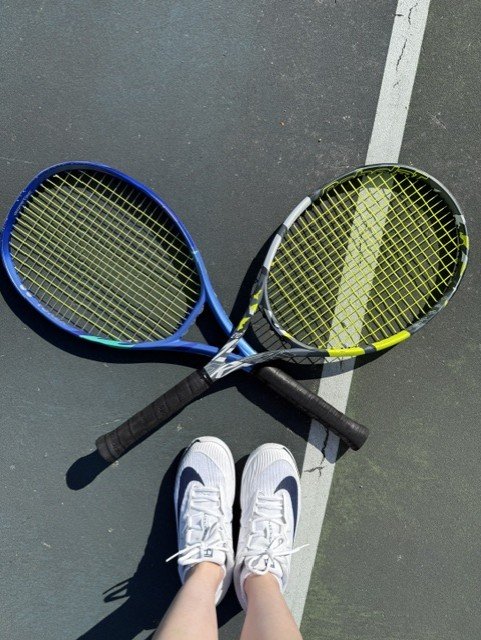
Tennis rackets can be expensive, both to buy and maintain. But if you’re an adult recreational player, there’s no reason to spend more than you need to. The key is finding a racket that suits your game, feels comfortable, and offers good value for money.
Getting into tennis as an adult is exciting. You get to stay active, enjoy the outdoors, meet new people, and learn a skill that can keep you challenged for years. But before you hit the court, you’ll need a racket. And with so many brands, models, and technical specifications to choose from, finding the right one can feel overwhelming. The good news? You don’t need to spend a fortune to enjoy this great game. For most recreational players, affordability, comfort, and ease of use should come first. Here’s what to look for when choosing your next tennis racket.
1. Set a Budget: Affordable Doesn't Mean Cheap
Let’s start with the most practical consideration: price.
Between court bookings, tennis shoes, lessons, and tennis balls, the costs of playing can quickly add up. Your racket doesn’t have to be another major expense. Instead of automatically buying the newest model, look for a racket that balances comfort, power, and control at a price you’re comfortable paying.
Here are a few ways to save money:
- Consider previous-year models. Older rackets can offer excellent value, and many remain popular long after a newer version arrives.
- Look for sales and clearance deals. Retailers often discount older stock to make room for new models.
- Start with an entry-level or mid-range option. You don’t need a premium racket if you’re playing casually.
- Budget for the extras. Remember to account for strings, restringing, an overgrip, and other accessories.
If you plan to play regularly, a graphite or graphite-composite racket is worth considering. You can find quality options without paying top dollar, especially if you’re open to an older model.
The goal isn’t to buy the cheapest racket available. It’s to find one that works for you without breaking the bank.
2. Look for a Big Sweet Spot
If there’s one feature I’d encourage most recreational players to consider, it’s the sweet spot.
The sweet spot is the area of the string bed where contact generally feels most effective. Hit the ball near this area, and your shot tends to feel cleaner and more controlled. Make contact outside it, and you may lose power or feel the racket twist in your hand. Let’s be honest: recreational players don’t hit the centre of the strings every time. A more forgiving racket can help make those off-centre shots more manageable.
What head size should you look for?
For most adult recreational players, a head size of around 100–105 square inches is a great place to start.
- 100 square inches: A versatile balance of power, control, and forgiveness.
- 102–105 square inches: Worth considering if you’d like a little extra forgiveness.
- 97–98 square inches: Can suit players who prioritise precision and consistently make clean contact.
Head size isn’t the only factor that determines how forgiving a racket feels. Its shape and string pattern also play a role. For most recreational players, I’d start by looking at rackets around 100 square inches. It’s a versatile size that offers a good balance without feeling oversized.
3. Pay Attention to Weight
Racket weight can make a big difference to your comfort on court. A racket that’s too heavy may leave you feeling tired when serving or reacting quickly at the net. On the other hand, an extremely light racket may feel less stable when returning faster shots.
As a general guide, consider these approximate unstrung weights:
- 250–270 g: Lightweight and easy to manoeuvre.
- 270–285 g: A useful range for players who value manoeuvrability.
- 285–300 g: Can provide more stability while remaining manageable for many recreational players.
These are guidelines, not strict rules. Your strength, technique, and personal comfort matter just as much as the number on the product page. It’s also important to remember that manufacturers generally list racket weight before strings are installed. The finished racket will weigh a little more. A lighter racket isn’t automatically better, and a heavier racket isn’t necessarily more advanced. You want something you can swing naturally without straining your arm or feeling like you’re fighting the racket.
4. Get the Grip Size Right
Grip size might not be the most exciting part of choosing a racket, but it can make a real difference to comfort and control. If the handle is too small, you may find yourself gripping it too tightly. If it’s too large, holding the racket and adjusting your grip can feel awkward. One traditional way to estimate your grip size is to hold the racket using your normal forehand grip. You should generally be able to fit the index finger of your other hand into the space between your fingertips and the base of your palm. Treat this as a starting point rather than a perfect measurement. Hand shapes and preferences vary, so check the manufacturer’s sizing guide when buying.
One more thing: an overgrip adds a little thickness to the handle. If you’re between sizes, it’s often easier to build up a slightly smaller grip than to make an oversized one smaller. Ultimately, your handle should feel secure and comfortable without requiring you to squeeze too tightly.
5. Understand the Frame Material
You don’t need to be a racket expert to make a good purchase, but understanding the basic frame materials can help you decide where to spend your money.
Aluminium
Aluminium rackets are commonly found in entry-level models. They’re generally affordable and can be a practical choice if you’re new to tennis or play occasionally. However, they may not offer the same feel and performance as many modern graphite frames.
Graphite and graphite composites
Graphite is widely used in modern performance rackets because it offers a useful combination of strength, stiffness, and relatively low weight. Manufacturers may combine graphite with other materials or technologies to influence the racket’s feel and performance. If you’re planning to play regularly, I’d look at graphite or graphite-composite rackets, including discounted previous-year models. Remember, the material alone doesn’t determine how a racket plays. Weight, balance, head size, and strings all contribute to its overall performance.
6. Get an Overgrip
An overgrip is one of the simplest and most affordable additions to your tennis setup. It wraps around the existing handle grip, giving you a fresh surface that can improve comfort and help you maintain a secure hold. Some overgrips are designed to absorb sweat, while others provide a tackier feel. If your hands tend to sweat during a match, an absorbent overgrip is worth considering. If you prefer a slightly sticky feel, a tacky option might be more suitable. Overgrips also help protect the original grip from wear. They don’t last forever, though, so replace yours when it becomes smooth, dirty, or loses its feel. It’s a small purchase that can make a noticeable difference to how your racket feels in your hand.
7. Should You Use a Vibration Dampener?
This one comes down to personal preference. A vibration dampener is a small accessory fitted between the strings, usually near the bottom of the string bed. It changes the sound and feel of string vibration when you hit the ball. Some players love the quieter, more muted sound, while others prefer the natural ping of the strings. Personally, I like putting a dampener on my racket. It’s inexpensive, easy to install, and a simple way to customise my setup. But it’s entirely optional. A dampener doesn’t improve your technique or eliminate every vibration travelling through the racket. If you prefer playing without one, there’s no reason to add it.
Try it and see what you like. Sometimes the smallest accessories become part of your tennis routine.
8. Don't Forget the Strings
It’s easy to focus on the frame and forget about the strings, but they play an important role in how your racket feels and performs. String type and tension influence comfort, power, spin, and control. Even two identical rackets can feel quite different with different string setups.
For most recreational players, there’s no need to start with an expensive string setup. Synthetic gut is a common, budget-friendly starting point. If comfort is a priority, ask a reputable stringer about suitable string options and tension for your racket and playing style. And don’t assume tighter strings are always better. String tension involves trade-offs, so the right setup depends on your needs and preferences.
9. A Real-World Example: The Yonex EZONE 100L
In Episode 2 of my Tennis Life series, I take a closer look at the Yonex EZONE 100L. It’s a useful example of the specifications worth considering when shopping for a recreational racket. The model features a 100-square-inch head, a listed unstrung weight of 285 g, and a 16 × 19 string pattern. Its graphite-based frame and ISOMETRIC head design are intended to provide a generous sweet spot. On paper, those specifications make it an interesting option for players looking for a balance of manoeuvrability, forgiveness, and versatility.
That doesn’t mean it’s the right racket for everyone. It’s a premium model, and the price may not suit every budget. Previous-year models and comparable alternatives are worth considering if you’re looking for value.
The important thing is to understand what you’re buying rather than choosing a racket based on its brand name or appearance alone. Catch the Episode 2 of the Tennis Life series HERE
Final Thoughts: Find a Racket That Works for You
Choosing a tennis racket doesn’t need to be complicated, and it certainly doesn’t need to break the bank.
For most adult recreational players, I’d prioritize a few things: a price that fits your budget, a forgiving head size around 100–105 square inches, a manageable weight, and a grip that feels comfortable in your hand. From there, consider the frame material, strings, and accessories that suit your needs.
You don’t need the newest model or the most expensive frame to enjoy tennis. Focus on finding something comfortable, reliable, and suited to the way you play. After all, the best racket isn’t necessarily the one with the biggest price tag. It’s the one that makes you feel confident on court and keeps you coming back for another game.
Until next time!