From the Rolex Shanghai Masters to the Streets of Shanghai

From Beijing to Shanghai, from watching ATP players up close to exploring one of China’s most vibrant cities, this leg of my China trip was all about tennis, travel, and a few unexpected surprises.
After exploring Beijing in Episode 3 of The Tennis Life, it was time to head south to Shanghai! This part of my China trip was especially exciting because I would finally get to experience the Rolex Shanghai Masters in person. Watching professional tennis players compete is something I genuinely enjoy, but this trip was about more than just tennis. I also wanted to experience another side of China, explore Shanghai, and see how it compares with Beijing. Looking back, I have so many fond memories of my time in Shanghai, from my first bullet train journey to an unexpected conversation with someone from the tennis world.
From Beijing to Shanghai: My First Bullet Train Experience

I travelled from Beijing to Shanghai by bullet train, a journey that took approximately four and a half hours. I had booked my ticket in advance through Trip.com. One thing to know when booking train tickets in China is that you generally don’t need to collect a physical ticket. Instead, your booking is linked to your passport, so make sure you bring the same passport you used when making your reservation. Before reaching the platform, passengers must pass through a security checkpoint, where luggage is scanned. The process reminded me of airport security. Once cleared, I made my way to the platform and boarded the train. The train was clean, comfortable, and well maintained. Seating was assigned, and there were washrooms and drinking-water facilities onboard. Since we don’t have a comparable high-speed rail experience here in Canada, I was particularly curious about what the journey would feel like. The ride was smooth, and I didn’t experience any nausea or motion sickness. I enjoyed looking out the window and watching the scenery change as we passed through different cities and landscapes. I also briefly met an English couple seated beside me who were travelling around China as tourists. It was nice to meet other travellers along the way. Overall, I had a fantastic first bullet train experience. I was genuinely glad I chose to travel by train instead of flying. It gave me the opportunity to experience another side of China, and I would happily do it again!
My travel tip: Book your train ticket in advance, bring the passport associated with your booking, and allow sufficient time for security checks before boarding. For me, the journey was more than simply getting from Beijing to Shanghai. It was an experience in its own right, and one I’d happily repeat!
Arriving in Shanghai
After arriving at Shanghai Hongqiao Railway Station, I took the Shanghai Metro to my hotel in downtown Shanghai. The city’s public transportation system was convenient for getting around, and I relied on it for most of my sightseeing. Getting to the Rolex Shanghai Masters venue, however, required a little more planning. It wasn’t quite as straightforward as I had expected!
Day 1: My First Day at the Rolex Shanghai Masters
Getting to Qizhong Forest Sports City Arena

The Rolex Shanghai Masters is held at Qizhong Forest Sports City Arena, located in Shanghai’s Minhang District. To get there from downtown Shanghai, I took Metro Line 1 to Xinzhuang Station and then transferred to a shuttle bus that took me to the venue. One important detail: make sure you use South Exit No. 2 at Xinzhuang Station. I found it a little confusing to locate the shuttle bus because there weren’t clear signs directing me from the metro exit to the pickup area. It took me some time to figure out where I needed to go. If you’re planning to attend the tournament and rely on public transportation, I’d recommend allowing extra time, especially on your first visit. It’s much better to arrive early than to spend the morning trying to find the right bus!
Why I Chose to Attend the Qualifying Rounds
I had purchased my ticket for October 6 before travelling to China. Although most of the matches that day were qualifying rounds, I actually think attending the tournament early has some great advantages. Similar to my train booking, my tournament ticket was linked to my passport. I didn’t receive a conventional physical ticket, and I needed to scan my passport to enter the venue. One of the best things about attending the earlier rounds is the opportunity to see a wider variety of players. You can watch qualifying matches, discover emerging talent, and catch some of the higher-ranked players practising before their main-draw matches. The weather was also absolutely beautiful. It was bright and sunny, making it a perfect day to spend outdoors watching tennis. Watching professional players in person is a completely different experience from watching them on television. You can appreciate the pace of the game, their footwork, their movement between points, and the intensity of their practice sessions. As a tennis fan, I loved every minute of it!
Watching Holger Rune and Flavio Cobolli Practice

One of the highlights of the day was getting to watch Holger Rune and Flavio Cobolli during a practice session. We usually see the finished product when we watch tennis on television: the powerful serves, the winners, and the exciting rallies. What we don’t always see is the work that goes into preparing for those moments. Watching these players practise gave me an even greater appreciation for the hard work, training, and dedication required to compete at the highest level. I also had the opportunity to watch Canadian player Liam Draxl compete in his qualifying match. Naturally, I was cheering for him! I almost felt as though I was the only Canadian in the crowd supporting him. As much as I wanted to cheer loudly, I was seated directly across from the chair umpire, so I thought it was probably best to behave myself. The last thing I wanted was to get kicked out of the match! Despite keeping my excitement under control, I was thrilled to see a Canadian competing on the international stage. It was great to be there supporting him.
A Tennis Fan's Paradise: Rackets and Accessories
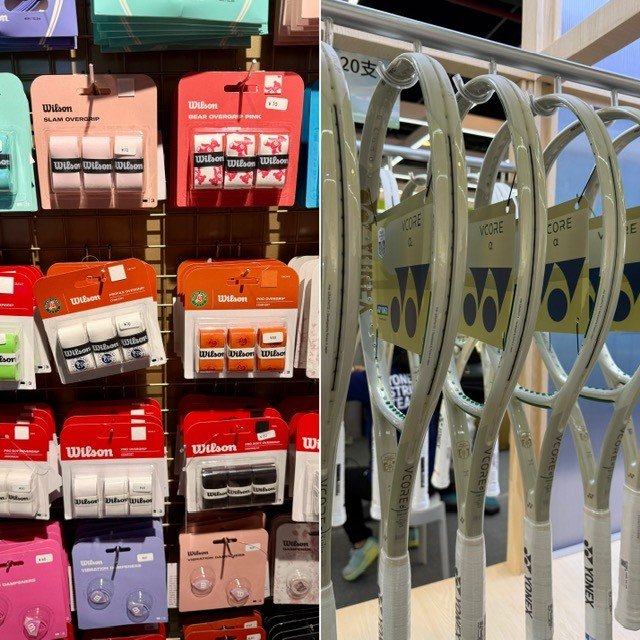
After watching the matches, I wandered around the grounds to check out the tennis merchandise. That’s when I spotted a beautiful silver-coloured limited-edition Yonex VCORE racket. I was tempted to add it to my collection, but I ultimately decided against it. Do I regret that decision? Absolutely! I’m still debating whether the Yonex EZONE or VCORE would suit my playing style better, and I wish I’d taken the opportunity to try it. I also checked out the Wilson store, which had a great selection of colourful, artistic overgrips — designs I rarely see back home in Canada. Browsing the tennis merchandise was another fun part of the tournament experience. By the end of the day, I was already looking forward to returning. Holger Rune was scheduled to face Daniel Altmaier in the first round the following day. With both players known for their aggressive baseline games, I expected an exciting match — and I certainly didn’t want to miss it!
Day 2: More Tennis, a Surprise Encounter, and a Late Night
A Brief Chat with Aneke Rune

One of the highlights of my Shanghai trip was the opportunity to speak briefly with Holger Rune’s mother and manager, Aneke Rune, while he was practicing ahead of his first-round match. For a tennis fan like me, this was the cherry on top of an already fantastic experience! I asked her about Holger’s equipment, including his reported switch from the Babolat Pure Aero to the Wilson Defyer racket, as well as his strings and recovery from an Achilles tendon tear. She shared that they had found excellent doctors to help him recover and discussed the preparation and coaching involved in getting him ready for competition. It was fascinating to hear about the work that happens behind the scenes. As spectators, we often focus on the matches themselves. We watch the players compete, celebrate their victories, and feel disappointed when they lose. But there’s so much more happening outside the court. There is an enormous amount of work that goes into preparing for a professional match: training, recovery, equipment decisions, tactical planning, and the support of an entire team. It’s a reminder that what we see on television is only a small part of a much bigger process. I also learned a few personal details about Holger. Aneke mentioned that he’s a huge football fan — or soccer, as we call it in North America! We also chatted about Denmark, where lighting candles and spending cozy evenings at home with family are part of the appeal when the weather gets cold. I even learned that Aneke used to do ballet! It was such a lovely conversation, and I really enjoyed learning about a different side of the tennis world. After speaking with her, Denmark went straight onto my travel wish list. Who knows? Maybe I’ll find myself exploring Copenhagen or attending a tennis event there one day. With that memorable conversation behind me, I was looking forward to Holger Rune’s first-round clash against Daniel Altmaier. I was determined to stay until the end to see how Rune would do in his return to competition.
A Disappointing Result and a Midnight Journey Home

Eventually, it was time for Holger Rune to face Daniel Altmaier. The match started late in the evening, and unfortunately, Rune lost his opening match. I was disappointed, especially since I had hoped he would make a strong start following his injury setback. I really wanted to see him pick up a few wins to regain momentum. Still, returning to competition takes time, and I hope he continues to work his way back to his best. One thing I noticed was just how many fans Rune had in Shanghai. He certainly had plenty of support throughout the stadium! It had been a long day, but I was glad I stayed until the end. Even though the result wasn’t what I had hoped for, watching the match in person was an experience I wouldn’t trade.
One Thing I Wish the Tournament Did Better
Although I had a fantastic time at the Rolex Shanghai Masters, there was one thing I thought could be improved. At other ATP tournaments I’ve attended, such as Indian Wells, there are often large screens displaying which players are practicing and which courts they’re using. I find this incredibly useful, especially when I’m hoping to catch a particular player. At the Shanghai Masters, I didn’t notice a comparable display. Even when players were practicing, their names weren’t always clearly identified. For dedicated tennis fans, recognizing players might not be too difficult. However, for more casual spectators, it can be challenging to identify who’s on the practice court. A simple display showing the players’ names and practice-court assignments would make the experience much easier for fans who want to follow particular players. It’s a relatively small detail, but I think it would make a meaningful difference.
Day 3: Exploring Shanghai Beyond Tennis
After two days devoted largely to tennis, I decided to spend my last full day in Shanghai exploring some of the city’s famous attractions. My itinerary included Yu Garden and the Bund, two places that offer very different perspectives on the city.
Yu Garden: A Glimpse into Traditional China
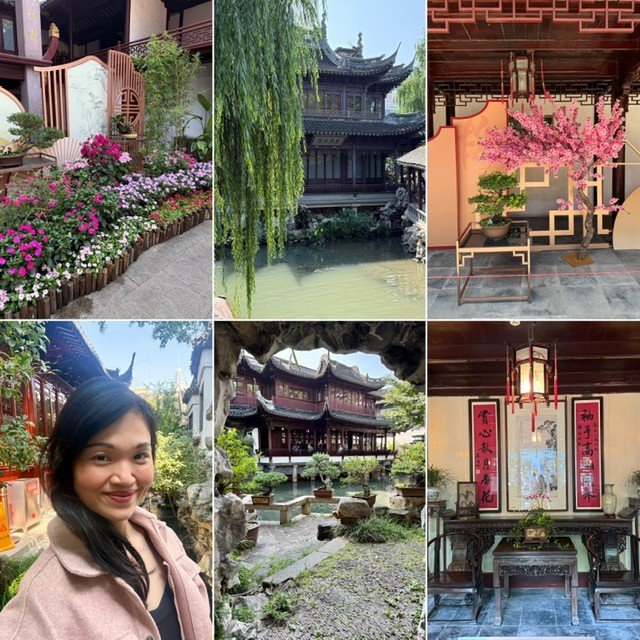
My first stop was Yu Garden, one of Shanghai’s best-known classical Chinese gardens. I purchased my ticket on-site for RMB 40, and the process was straightforward. Dating back to the Ming dynasty, Yu Garden was created in the 16th century by Pan Yunduan, an official who wanted to build a beautiful garden where his parents could enjoy their retirement. Over the centuries, the garden experienced periods of damage and restoration, but it remains an important example of traditional Chinese garden design. Walking through the garden felt like stepping into another era. The traditional pavilions, intricate architectural details, decorative rockeries, ponds, and winding pathways created a beautiful setting. I loved the design and attention to detail throughout the grounds. The Golden Week holiday had just ended, so the garden was relatively quiet when I visited. This made it easier to explore at my own pace and appreciate the architecture. I think Yu Garden is well worth visiting if you’re interested in Chinese history, traditional architecture, or simply want a break from the modern city.
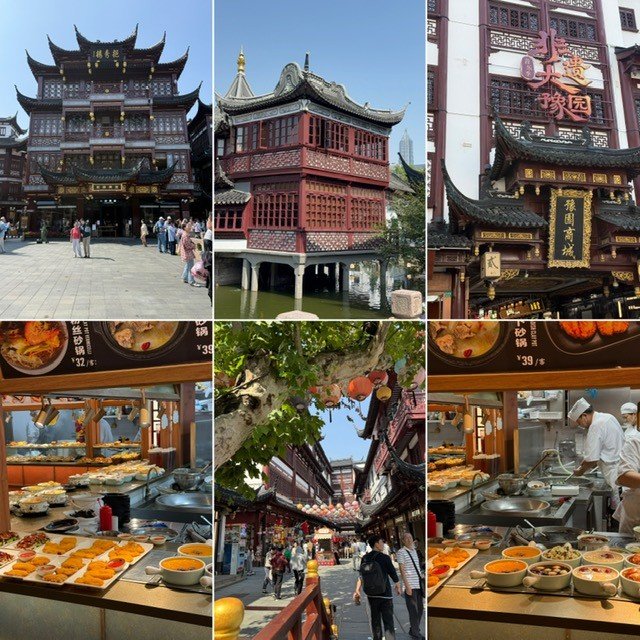
Right outside the garden is Yuyuan Market, which was another highlight of my visit. There were plenty of shops selling souvenirs, traditional goods, and local specialties. The area was also filled with food stalls and eateries offering a variety of local dishes. If you enjoy discovering local food while travelling, this is a great place to wander around, explore the stalls, and see what catches your eye.
The Bund: Shanghai's Iconic Waterfront
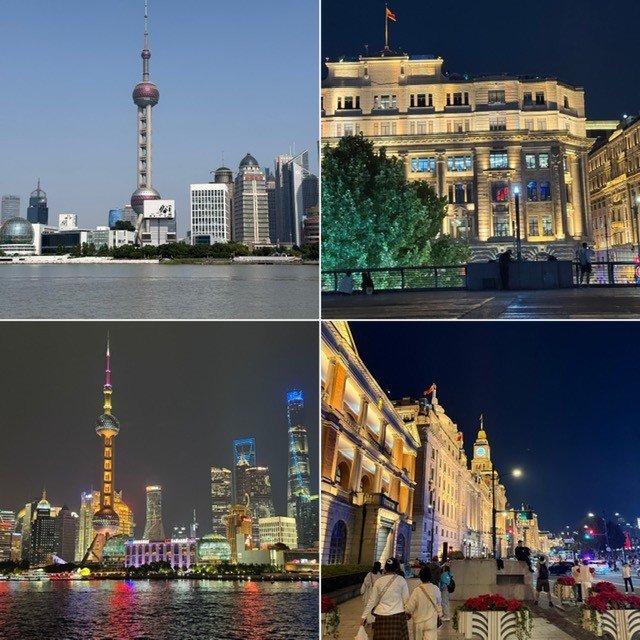
After visiting Yu Garden, I made my way to the Bund, one of Shanghai’s most recognizable landmarks. The Bund is a famous waterfront promenade along the Huangpu River, offering spectacular views across the water towards Lujiazui, Shanghai’s modern financial district. On one side, you’ll find historic buildings featuring European architectural styles. On the other, you’ll see the city’s impressive modern skyline, including its iconic skyscrapers. I found the contrast fascinating. It’s one of the things that makes Shanghai feel so different from Beijing and other Chinese cities. I visited the Bund during the afternoon, but I decided to return at night because I wanted to see the skyline illuminated. And I’m so glad I did! After dark, the entire waterfront transformed into a completely different scene. The buildings lit up in vibrant colours, the skyscrapers looked spectacular, and the area felt much livelier. The daytime views were beautiful, but I personally preferred the Bund at night. The illuminated skyline made the experience much more dramatic and was a fantastic way to end my sightseeing day.
My recommendation: If you visit the Bund, try to see it after dark. The night-time views are absolutely worth it!
Beijing vs. Shanghai: Which City Did I Prefer?

Having visited both Beijing and Shanghai, I found that the two cities offered very different experiences. Beijing felt more closely connected to China’s history, with its famous historical landmarks, traditional sites, and cultural attractions. If you’re interested in exploring China’s imperial past and historical architecture, Beijing would be my recommendation. Shanghai, on the other hand, felt more cosmopolitan to me. I noticed more international visitors and a more multicultural atmosphere. The city’s modern skyline, shopping districts, waterfront views, and variety of dining options gave it a different kind of energy. I also preferred the food in Shanghai, personally. I enjoyed the variety of dining options and the opportunity to try different dishes. Of course, food preferences are subjective, and both cities have plenty to offer. I wouldn’t say one is objectively better than the other; they simply provide different experiences. If you have time, I would recommend visiting both. Beijing offers a fascinating glimpse into China’s history, while Shanghai gives you a taste of its modern, international side.
Looking Back: A Memorable Tennis Trip
One thing I had really hoped to do during my time in Shanghai was watch Carlos Alcaraz play. Unfortunately, that didn’t happen. I wish he had arrived in Shanghai a day earlier, as seeing him practice in person would have been the icing on the cake. Hopefully, I’ll get another opportunity next year! Still, I have absolutely no regrets about this trip. From taking my first bullet train to watching Holger Rune and Flavio Cobolli practice, cheering for Canadian player Liam Draxl, chatting with Aneke Rune, and exploring Shanghai’s famous landmarks, this leg of my China adventure gave me so many wonderful memories.
The Rolex Shanghai Masters was particularly rewarding because it allowed me to experience professional tennis from a different perspective. Watching players up close, observing their preparation, and getting a glimpse into the work that happens behind the scenes made me appreciate the sport even more. For more photos of the Rolex Shanghai Masters, please check out this Instragram post. Shanghai itself was a fantastic city to explore. It offered a wonderful balance of modern attractions, traditional architecture, great food, and unforgettable views. This trip reminded me that travelling for tennis is about so much more than the matches. It’s about the people you meet, the places you discover, and the experiences you bring home with you.
So, where should I go next year? Maybe a tennis camp in Spain?? I guess we’ll see!
See you in the next episode!